
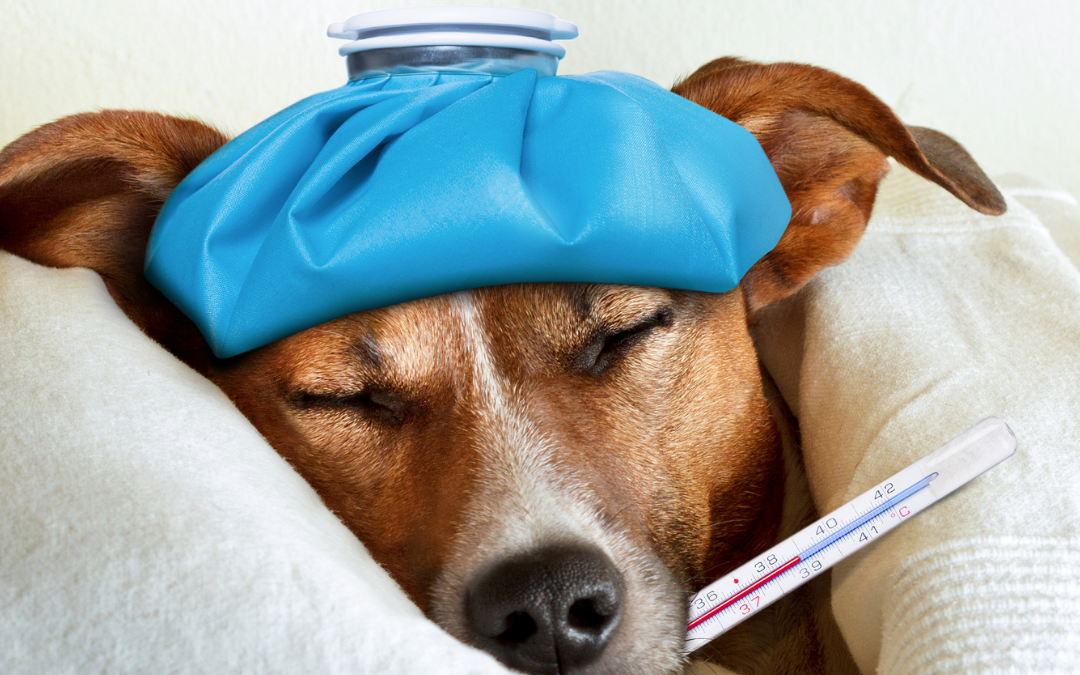
We all want our homes to be safe, clean spaces for our pets. But the truth is, many everyday products and materials we use without a second thought can quietly harm our animals over time.
Pets are especially sensitive to toxins because they’re closer to the ground, they groom themselves, and their bodies aren’t built to handle the chemical overload that’s become so common today.
If your pet has mysterious symptoms, like itchy skin, digestive issues, or chronic ear infections, it’s worth taking a closer look at what they’re exposed to daily.
Here are the top 5 household toxins that could be making your pet sick.
1. Cleaning Products
Bleach, ammonia, disinfectant sprays, floor cleaners, they might leave your house sparkling, but they’re packed with chemicals that are harsh on your pet’s system.
Many cleaners leave behind residues on floors and surfaces where your pet eats, sleeps, and plays. Even “fresh” scents can cause respiratory irritation, skin reactions, or worse.
To help combat this, there is a simple fix. Switch to non-toxic, pet-safe cleaners. Look for simple ingredients like vinegar, baking soda, and plant-based formulas. Always check labels and avoid anything with chlorine, ammonia, or artificial fragrances.
2. Lawn and Garden Chemicals
Herbicides, pesticides, fertilizers, these are some of the biggest culprits when it comes to pet exposure. Pets walk, roll, and sniff around outside, then lick their paws and fur, bringing toxins straight into their bodies.
Even if you don’t use chemicals, your pet can still be exposed when walking in parks or other treated areas.
Instead use organic lawn care methods whenever possible. Wipe your pet’s paws after every outdoor adventure. And ask neighbors or local parks about their chemical use if you’re concerned.
3. Air Fresheners and Candles
We all love a nice-smelling home, but many air fresheners, plug-ins, and scented candles contain volatile organic compounds (VOCs), artificial fragrances, and paraffin wax, all of which can cause respiratory issues and skin irritation in pets.
Cats, in particular, are very sensitive to airborne toxins, but all animals can be affected.
You can choose unscented or naturally scented options like pure beeswax candles or diffusers with pet-safe essential oils (in moderation). Open windows for fresh air instead of relying on synthetic scents.
4. Flea and Tick Treatments
Many flea collars, spot-on treatments, and sprays are loaded with harsh chemicals that can cause neurological problems, skin burns, and long-term health risks. Even “veterinarian-approved” options can be toxic with repeated use.
Try to research natural alternatives like essential oil blends (designed specifically for pets), diatomaceous earth, or holistic flea and tick protocols. Always weigh the risks and benefits and work with a knowledgeable holistic practitioner for guidance.
5. Plastic Bowls and Containers
Plastic might seem harmless, but many bowls, storage bins, and toys contain BPA, phthalates, and other chemicals that can leach into your pet’s food and water. Over time, these toxins can disrupt hormones, cause inflammation, and contribute to chronic illnesses.
This is an easy fix! Switch to stainless steel, ceramic, or glass bowls and storage containers. They’re safer, longer-lasting, and much healthier for your pet.
In Conclusion
Our homes should be the safest place for our pets, but hidden toxins can quietly chip away at their health over time. Every small change you make adds up. Swapping out just a few of these common culprits can go a long way toward protecting your pet’s long-term wellness.
If you’re ready to take a deeper dive into creating a healthier, toxin-free lifestyle for your pets, we’re here to help.
Book a consultation today and let’s build a safer, healthier home, together